Rammed-earth architecture
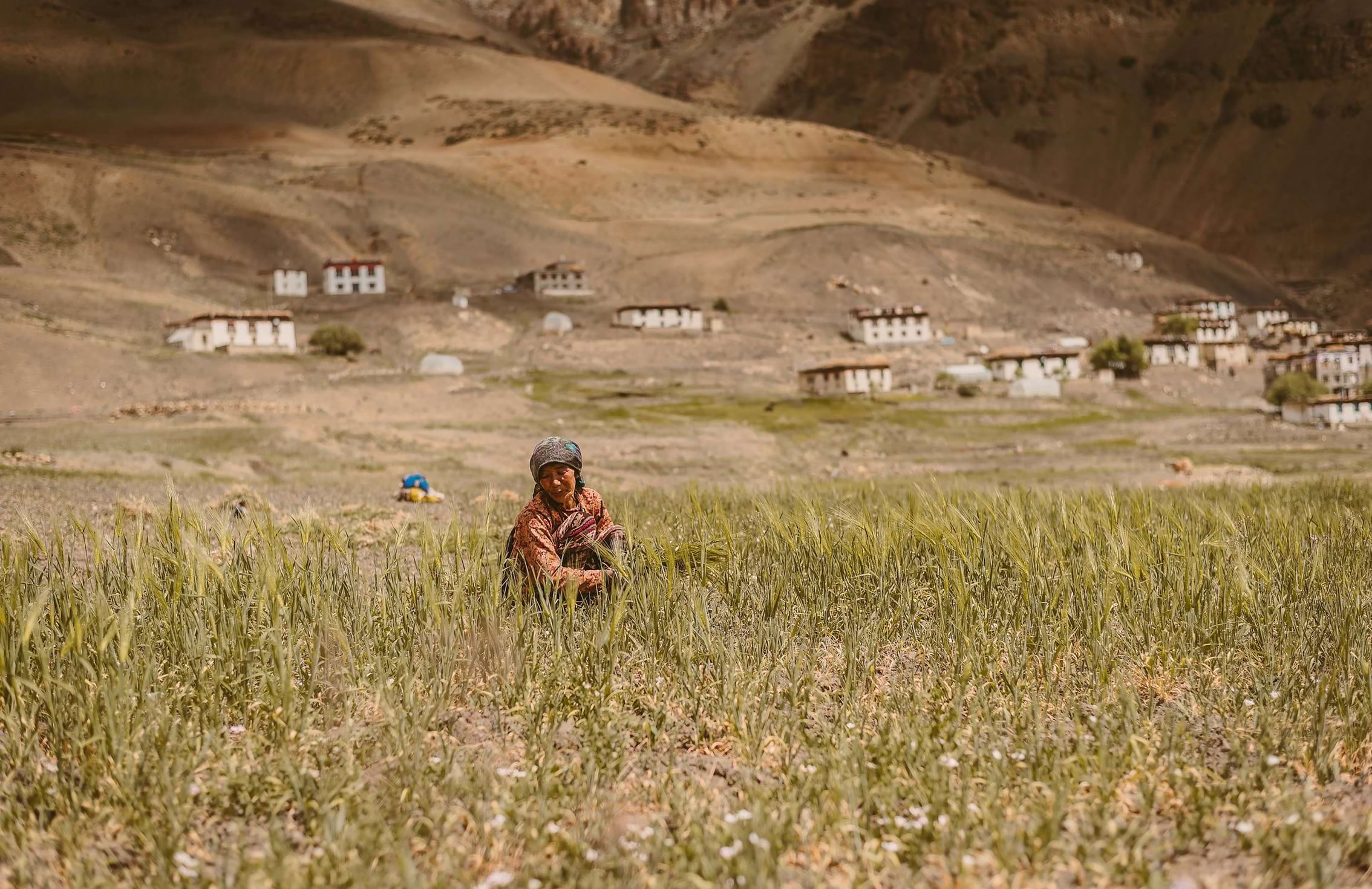
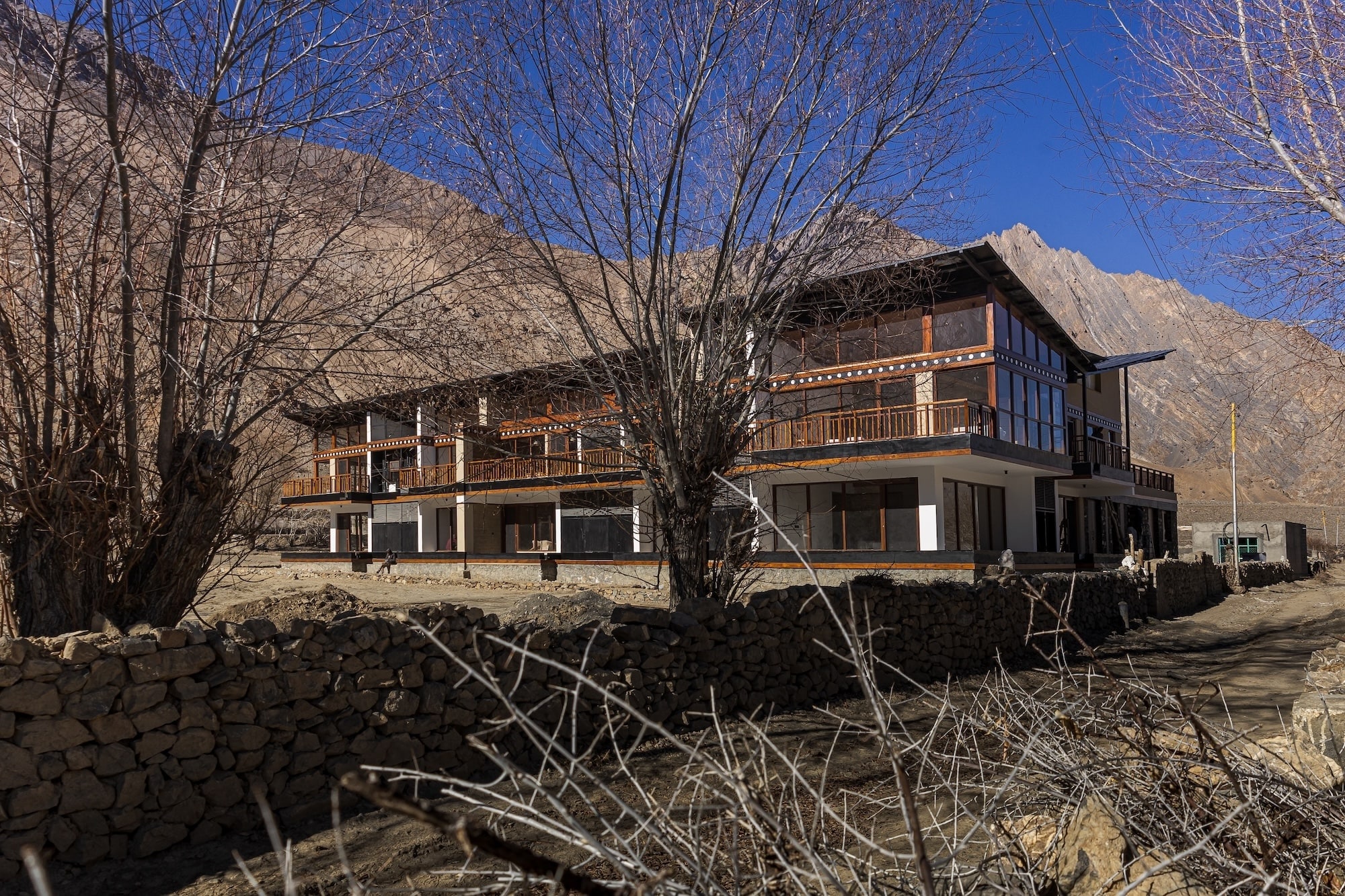
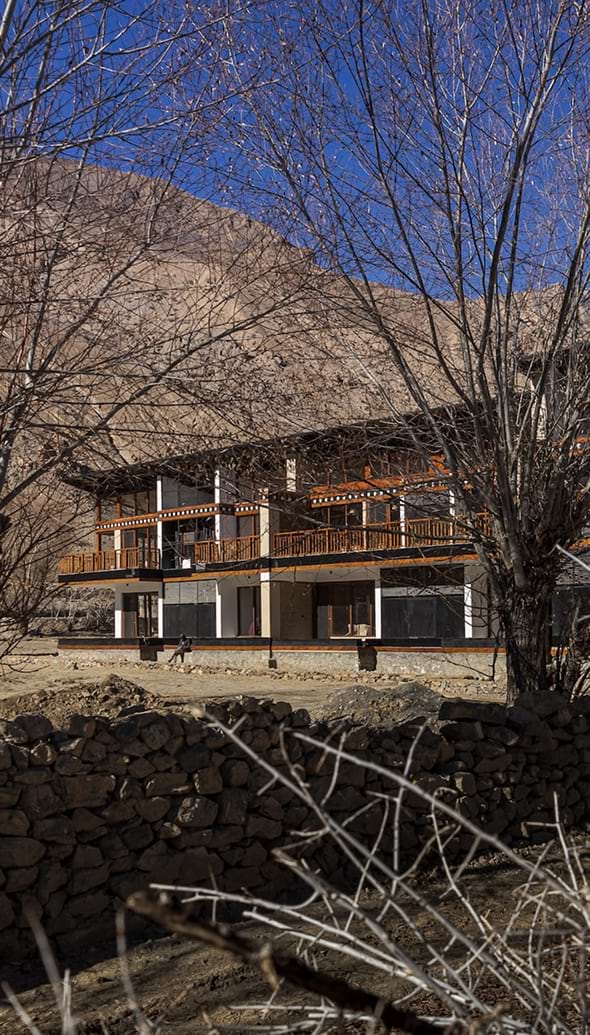
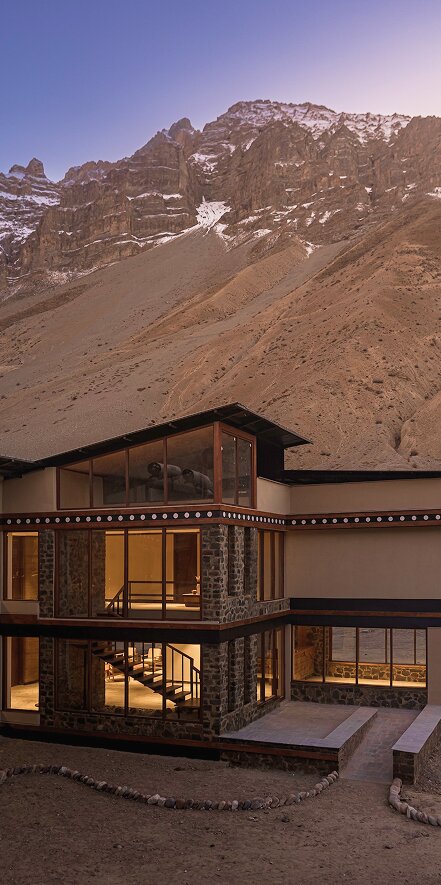
Rammed-earth construction supports thermal comfort in a cold, high-altitude setting. Rammed earth has high thermal mass, helping dampen indoor temperature swings and lowering heating and cooling demand in building simulations.
From a life-cycle perspective, earth-based construction materials can show lower embodied impacts than conventional alternatives, with transport distances and stabiliser/binder content being key determinants of embodied carbon and energy.
Solar-powered systems
Solar is a strong fit for many high-altitude contexts because clear skies are common and photovoltaic output is temperature-dependent—PV efficiency and power output generally decrease as module temperature rises. Colder ambient conditions can therefore support better PV performance when systems are well-designed and snow/soiling are managed.
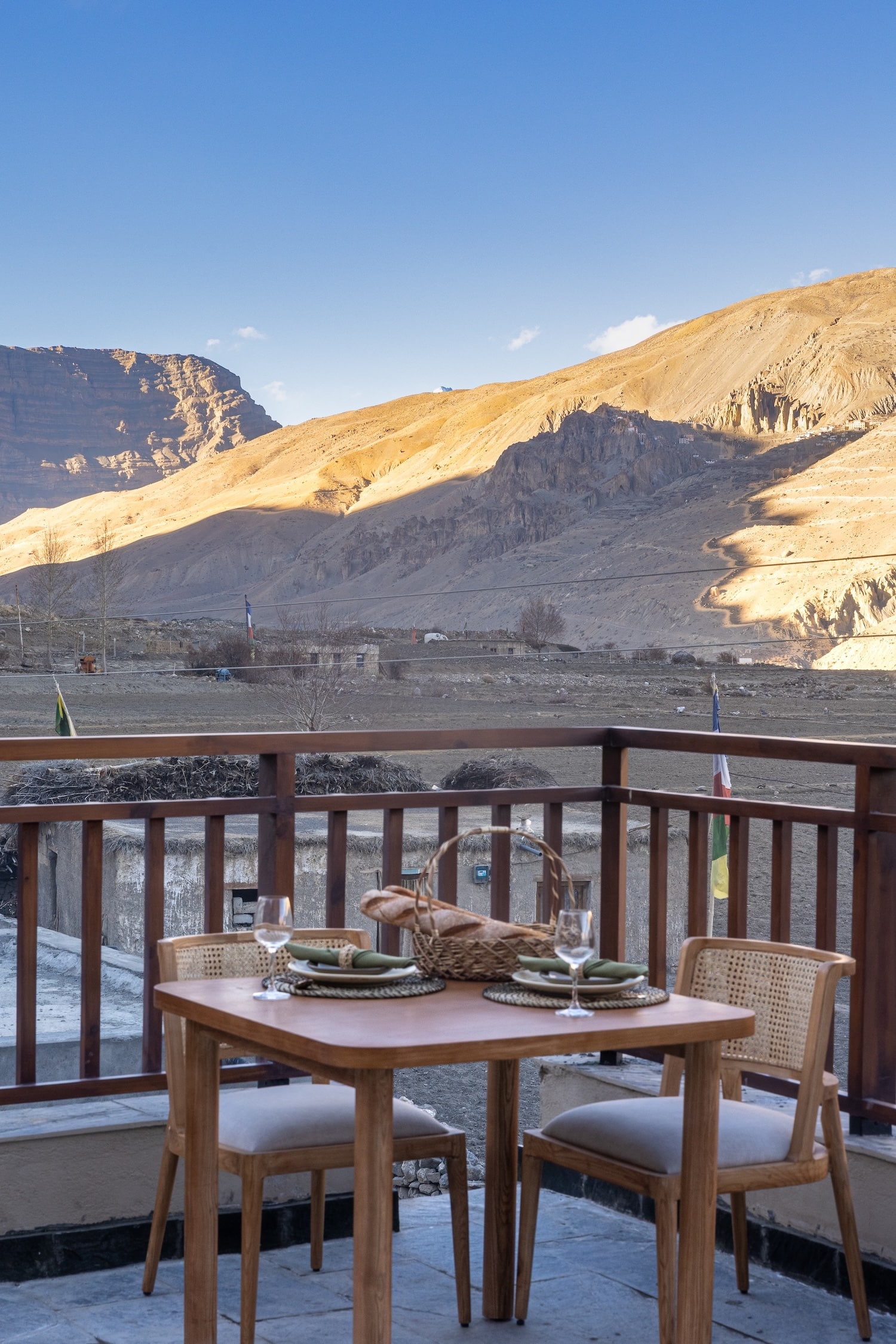
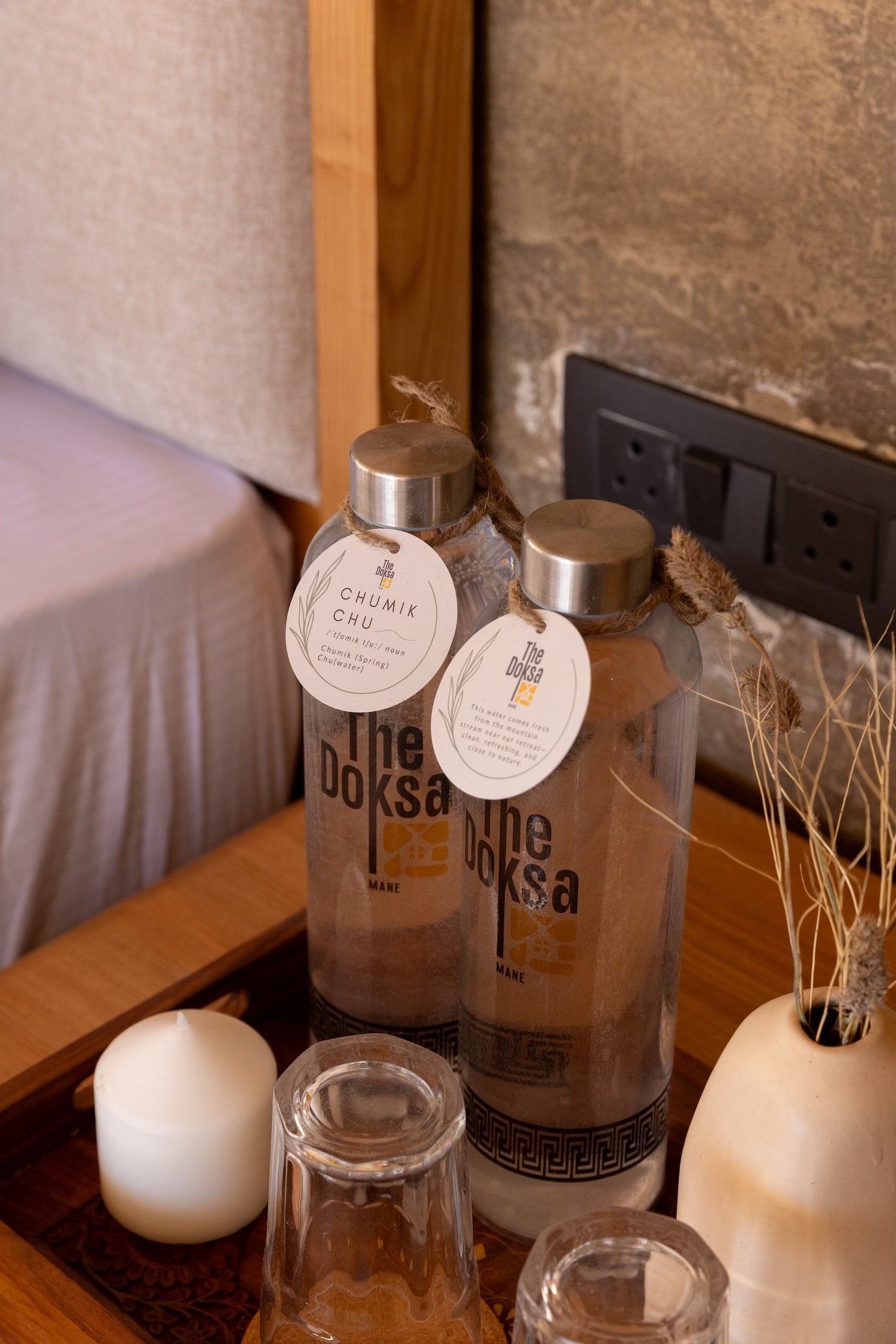
Handcrafted furnishings and mindful materials
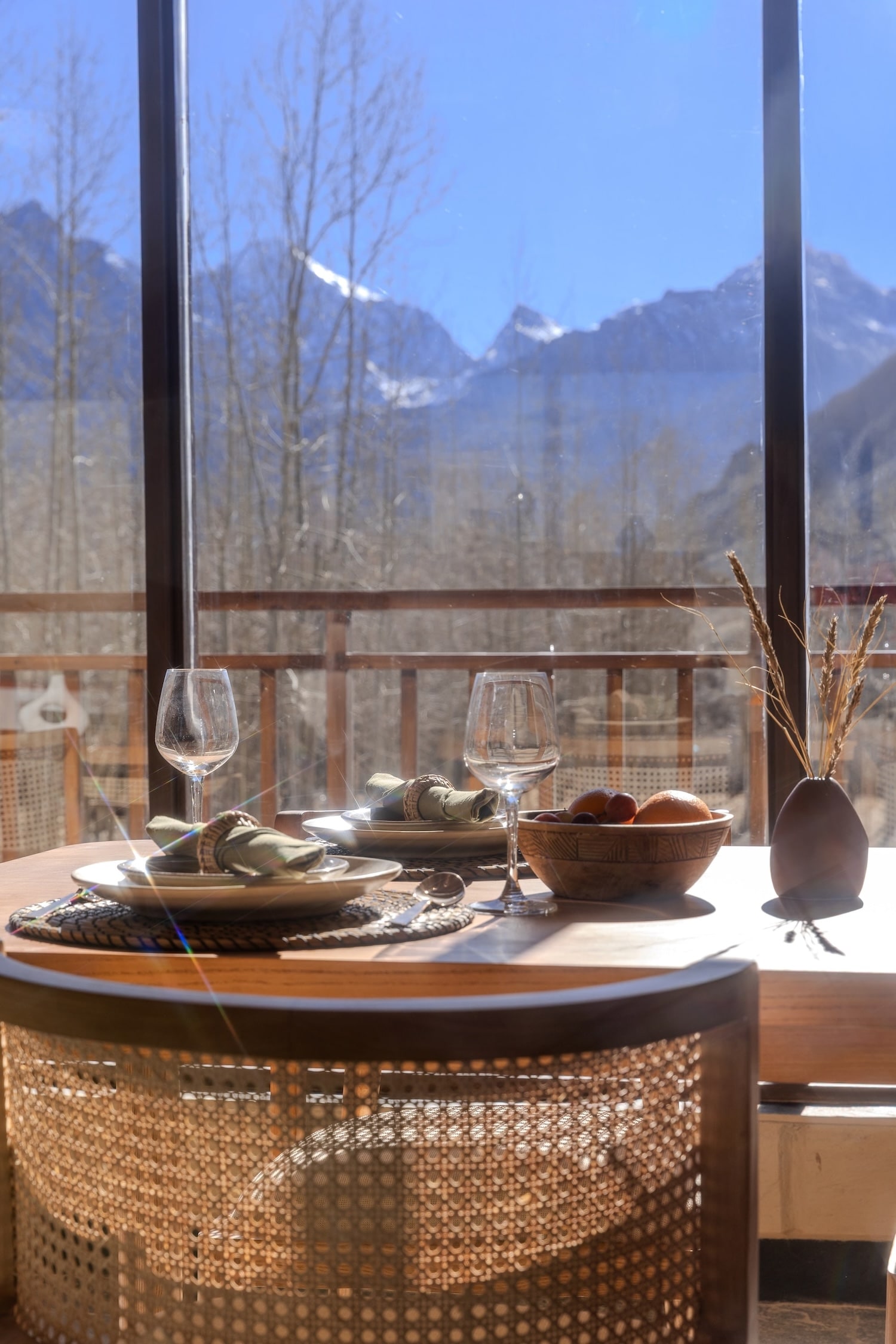
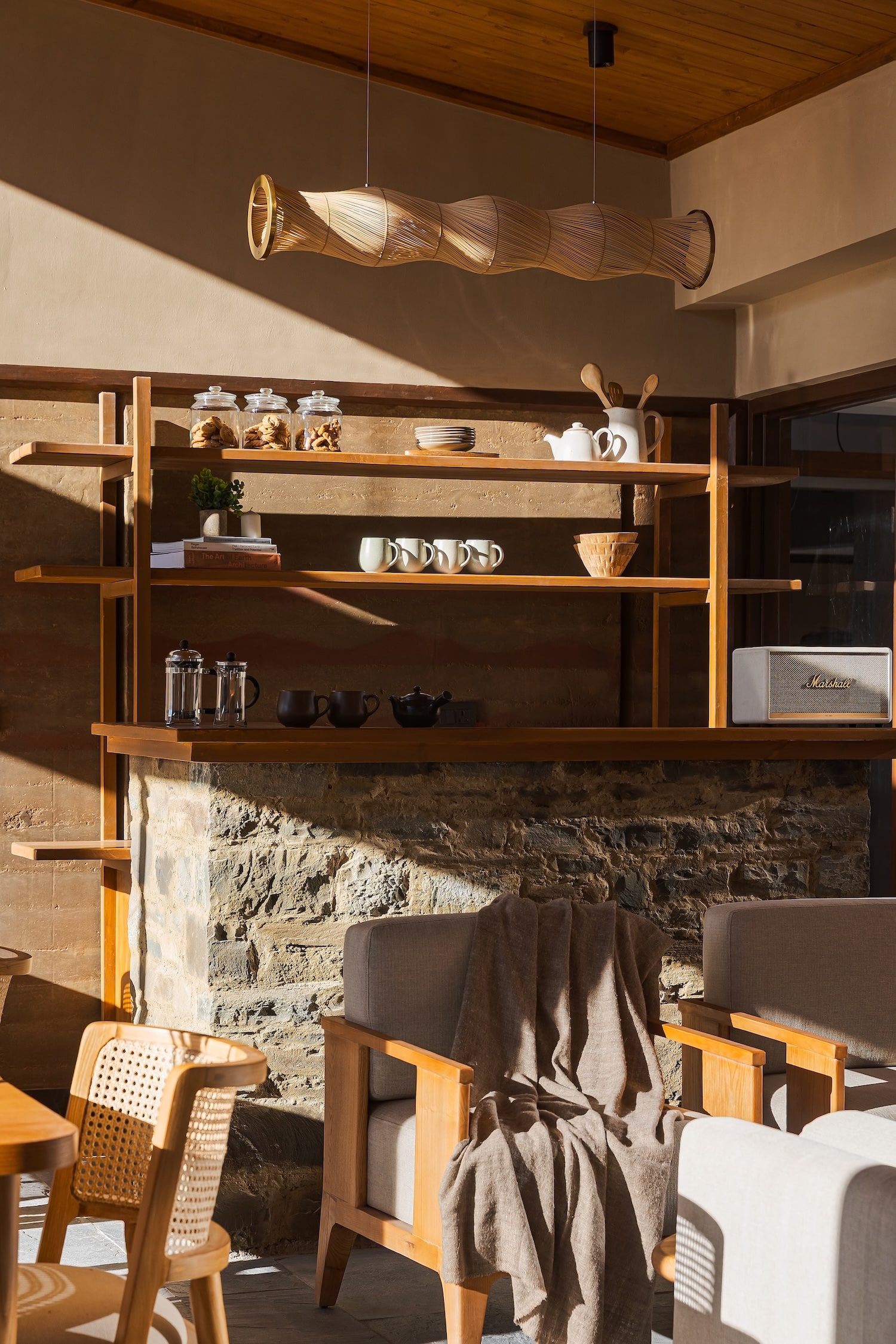
Handcrafted, locally made furnishings help keep value in regional supply chains and support cultural continuity. Shorter supply routes can also reduce transport-related impacts compared to long-distance procurement, while building local skills and incomes.